
Moving Stretch Ceilings
Moving stretch ceilings with a gentle, living rhythm
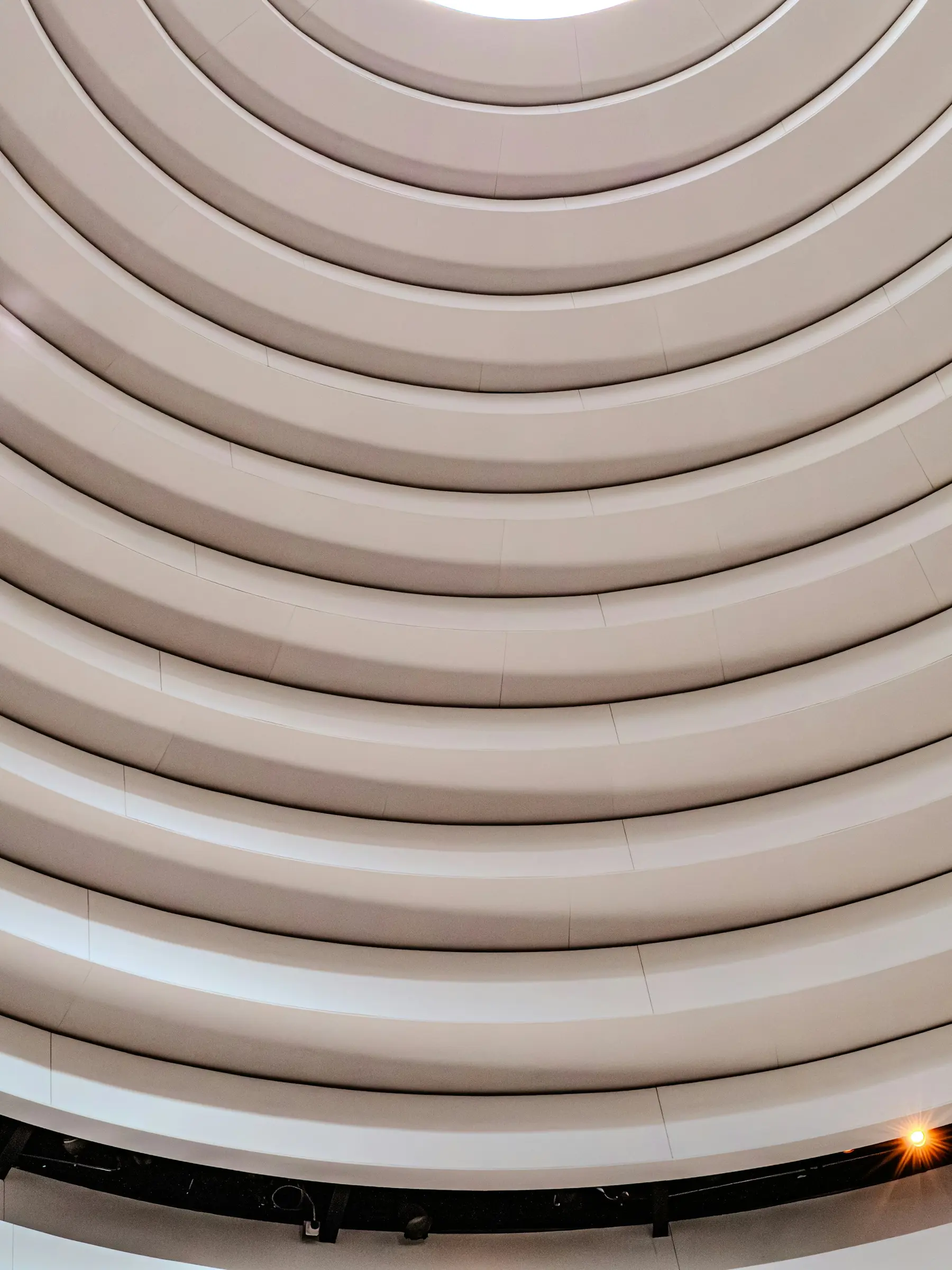
A moving stretch ceiling brings slow, deliberate motion to a ceiling plane. The effect is rhythmic and quiet, and it turns the ceiling into a feature that people look up to enjoy.
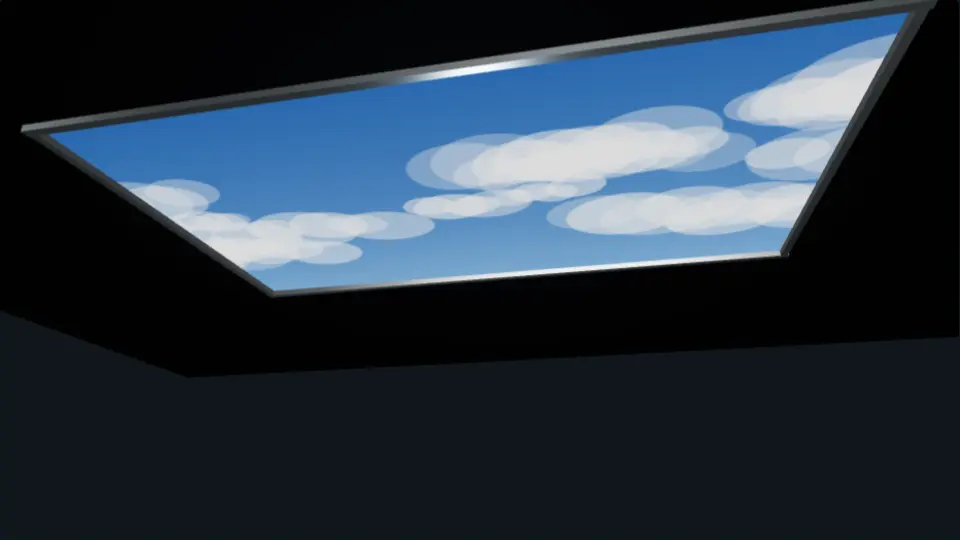 3D visualisation, not a project photo
What you are seeing
Clouds that drift across a ceiling
RGBW DMX lighting behind a translucent film makes the printed sky and light appear to move slowly across the ceiling.
Moving Stretch Ceilings: source product names, figures and units are on the specification pages.
What is it?
A moving stretch ceiling combines a flexible membrane with a mechanism that produces gentle movement or wave effects, often combined with lighting so the motion is visible.
How it works
- The effect, such as a ripple or breathing movement, is designed for the space.
- The mechanism and membrane are built into a purpose-made frame.
- Controlled movement and lighting together produce a slowly changing surface.
Key design characteristics
- A kinetic, living surface
- Often combined with light for depth
- Typically used as a feature in a chosen area of a ceiling rather than all of it
Benefits
- A memorable focal point for venues
- Adds energy to the ceiling without noise or clutter when it is well designed
Practical considerations
- This is a specialist, bespoke system. Feasibility, mechanism, maintenance and power needs must be confirmed with the supplier before commitment.
- Moving elements need service access.
- Best suited to feature areas rather than whole ceilings.
Suitable spaces
- Entertainment venues
- Hotel lobbies
- Showrooms
- Event spaces
- Retail flagship zones
See more on the Spaces We Transform page.
Design possibilities
- Rippling or wave surfaces
- Slow breathing motion
- Motion combined with colour-changing light
Lighting integration
Lighting is generally part of the effect and is designed together with the motion.
Architectural lighting optionsInstallation and maintenance
- A site visit and measurement come first, so the perimeter profile, any bulkheads and every light position can be planned before fabrication.
- The membrane is made to the measured room and tensioned into the profile on site, usually after wet trades and painting are complete.
- Because the ceiling sits below the structural slab, the available void depends on the room. Ask for a void check if you plan to add lighting behind the membrane.
- Moving systems require a purpose-designed frame, power supply and service access. Each project is engineered individually.
- Dust the surface gently with a soft, dry microfibre cloth. Avoid abrasive pads and solvent cleaners.
- Keep sharp tools and hot work away from the membrane. Ask us about repairs rather than attempting one yourself.
- Moving components should be inspected as part of a service plan agreed during design.
Design possibilities
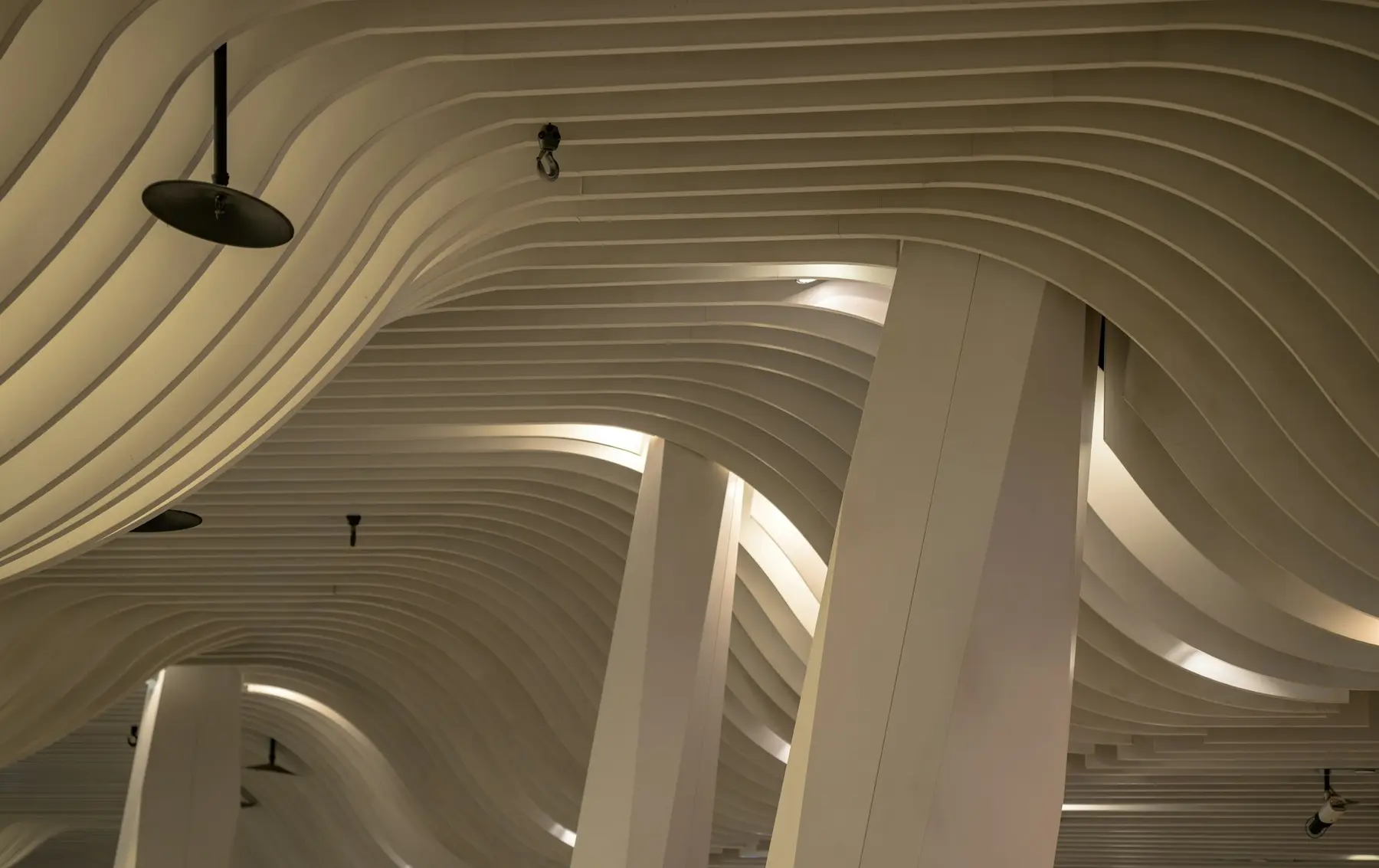
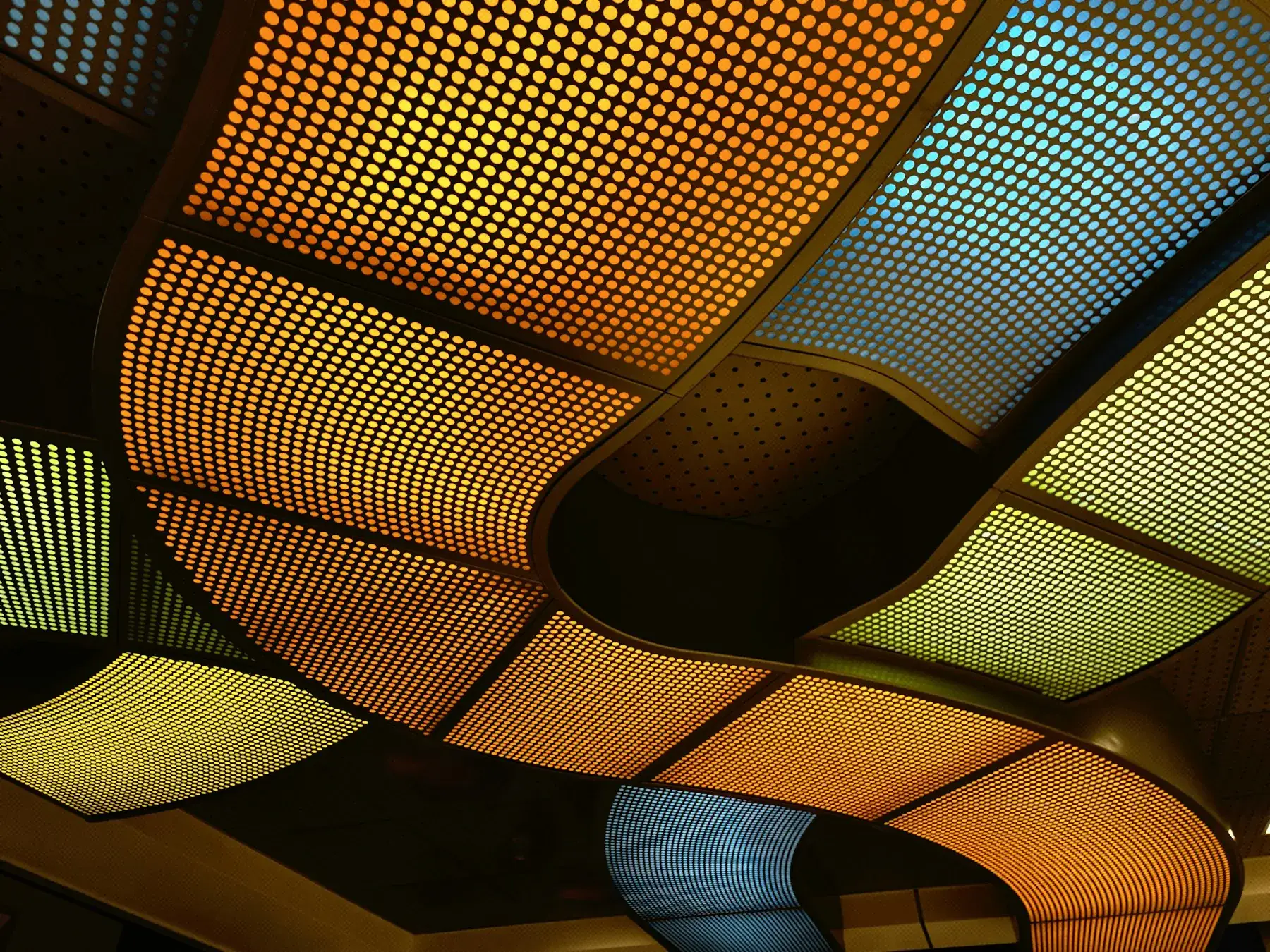
Inspiration for moving stretch ceilings
Technical reference
Technical details
Supplier reference data. We confirm the specification for your project. See full technical specifications.
- RGBW DMX lighting behind a translucent film to simulate movement.
- PC program and stand-alone control
- DMX channels: 512, 1024 or 1536
- 5 zones and 99 scenes
- RDM (remote device management)
- UDP, dry port, sensor and time triggers
- Windows, Mac and app control
- DIN-rail mounting
Details we confirm with you
These details depend on the exact products selected. We confirm them in writing for your project rather than quoting figures in general:
- Availability, mechanism type and power requirements
- Service and maintenance schedule
- Noise levels and safety considerations
Related ceiling types
Start a project
Interested in moving stretch ceilings?
Share your room details and we will advise on design, lighting and a site visit in Chennai.